Source: BBC
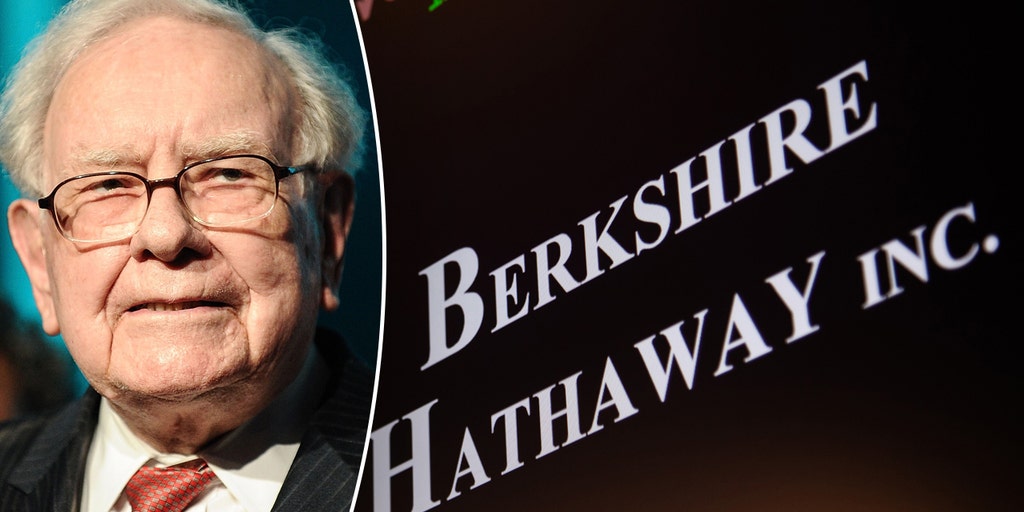
Warren Buffett Steps Down as Berkshire Hathaway Chairman, Ending Era at Company He Built.
Warren Buffett Gives Up Berkshire Hathaway Chairmanship, Completing His Exit From the Company He Built
After more than five decades at the centre of Berkshire Hathaway, Warren Buffett has now given up his final leadership position at the company he transformed into a $1.1 trillion conglomerate
Berkshire Hathaway announced on Friday that Buffett, 96, has been named chairman emeritus with immediate effect, while his son, Howard G. Buffett, has been elected chairman of the board.
The move completes a succession that began earlier this year when Greg Abel took over as Berkshire's chief executive, ending Buffett's tenure as the company's CEO. Buffett will remain on the board and continue to offer his judgment and perspective to the company.
Buffett first took control of Berkshire Hathaway in 1965, when it was still a struggling textile manufacturer. Over the following decades, he reshaped it through acquisitions, insurance operations and investments into a sprawling group with interests ranging from insurance and rail transportation to energy, manufacturing, retail and publicly traded companies.
The company now sits among the world's largest corporations by market value, with Berkshire becoming the only non-technology company in the US trillion-dollar club.
But Friday's announcement is not a change in who runs Berkshire's businesses as the job already belongs to Abel.
Abel became CEO at the beginning of 2026 after Buffett announced the succession plan in 2025. He has since taken responsibility for Berkshire's operations and capital allocation, while Buffett remained chairman and continued to provide guidance.
The latest change moves the remaining part of the transition to the boardroom.
Howard Buffett, who has served as a Berkshire director since 1993, will now chair the board. His role is not to take over the day-to-day running of the conglomerate. Instead, Berkshire says he will be responsible for helping preserve the culture and values that his father established.
“Greg runs the company; Howard will guard its culture and values,” Warren Buffett wrote in his letter to shareholders.
That division is central to Berkshire's succession plan.
For decades, Buffett's personal reputation was closely tied to the company. His annual letters to shareholders, appearances at Berkshire's shareholder meeting in Omaha and approach to investing helped turn the company into a reference point for long-term investors around the world.
The challenge now is to preserve what became known as the Berkshire culture without Buffett occupying the company's top seats.
That culture has been built around decentralised management, long-term investment decisions and allowing the managers of Berkshire's individual businesses considerable independence. Howard Buffett's new position is intended to help maintain that structure rather than replace Abel as the company's operating chief.
Berkshire's financial scale makes the transition particularly significant.
The company owns major businesses including GEICO, BNSF Railway and Berkshire Hathaway Energy, alongside manufacturing, service and retail operations. It also holds a large portfolio of stocks and US government securities.
In the second quarter of 2026, Berkshire reported operating profit of $12.98 billion, up 16% from a year earlier, while net income more than doubled to $25.67 billion.
Investors have nevertheless been watching the succession closely.
Berkshire's price-to-book ratio has fallen since Buffett announced his decision to step down as CEO, according to LSEG data cited by Reuters. The company has for years traded with what investors and analysts have described as a “Buffett premium” — reflecting the confidence attached to his leadership and capital-allocation record.
Buffett's departure from the chairmanship therefore marks more than a change in corporate titles.
It closes the formal leadership era of a man who spent more than 60 years building Berkshire and became inseparable from its identity.
However, Buffett is not disappearing from the company completely.
He remains a director and, as chairman emeritus, will continue to offer his judgment and perspective. In his letter announcing the change, Buffett acknowledged the inevitability of the transition while expressing confidence in the people taking Berkshire forward.
For Berkshire Hathaway, the next chapter will therefore be defined by two men with different responsibilities: Greg Abel running the company and Howard Buffett protecting the culture his father spent decades building.
Warren Buffett, meanwhile, has moved from the centre of Berkshire's leadership to the position of its chairman emeritus - bringing his formal control of the company to an end while leaving behind one of the most closely watched corporate successions in modern business.

 Noble Nigeria

© Noble Nigeria. All Rights Reserved || Privacy Policy and User Agreement