Source: BBC
Germany Arrests Former Intelligence Chief in Extraordinary Treason and Espionage Case
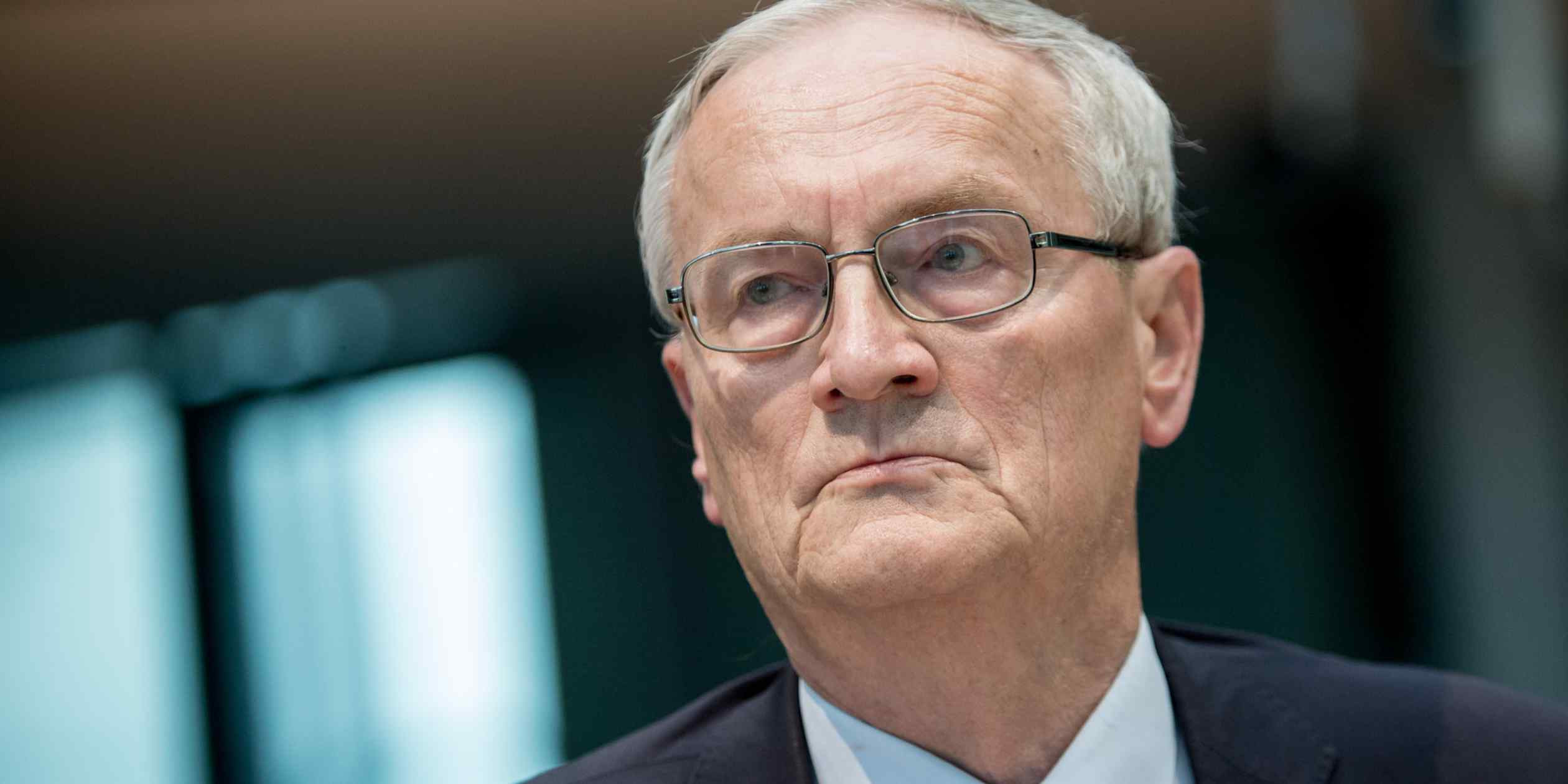
August Hanning, who headed Germany’s foreign intelligence service for seven years, has been arrested alongside a former BND official accused of supplying him with about 2,000 classified documents, in a case prosecutors say involves treasonous espionage and the possible transfer of German intelligence to a foreign service.
Germany has arrested one of the most senior former officials in its intelligence establishment after prosecutors accused him of obtaining state secrets and using classified information in dealings with a foreign intelligence service, opening one of the country’s most serious espionage investigations in decades.
August Hanning, 80, who headed the Federal Intelligence Service (BND) from 1998 to 2005, was arrested on Tuesday in southern Germany. A former BND office manager identified as Manfred D. was also arrested and is accused of helping Hanning obtain classified material from the intelligence service. German prosecutors say Hanning is strongly suspected of treasonous espionage, obtaining state secrets, attempted treason and espionage.
The allegations centre on an arrangement that prosecutors say began in 2010, five years after Hanning left the BND. Investigators believe Manfred D., who continued working for the agency under successive BND presidents, supplied Hanning with confidential intelligence in exchange for payment.
According to the Federal Prosecutor's Office, approximately 2,000 documents were passed to Hanning over the years. Some contained classified information intended solely for internal BND use, including high-level intelligence briefings prepared for Germany's political leadership. The material reportedly included information concerning Iran's nuclear programme, Russian military activities and intelligence classified by Germany's foreign partners.
The significance of the case lies partly in who allegedly received the material. Hanning was not an ordinary former intelligence employee. He once occupied the top position at Germany's foreign intelligence service and later served as a senior state secretary in the Interior Ministry. His career placed him at the centre of Germany's national-security machinery for decades.
Prosecutors allege that Hanning subsequently used some of the information to prepare an analysis for an officer of a foreign intelligence service. They also suspect that he maintained communications with a representative of another foreign intelligence agency and passed information derived from the BND material.
German authorities have not publicly identified the foreign intelligence service involved, and prosecutors have not established publicly whether the analysis prepared by Hanning actually reached its intended recipient. German media have reported a possible connection to Azerbaijan, but the Federal Prosecutor's Office has not confirmed that allegation.
One point has already become particularly notable: the case is reportedly not connected to Russia. This matters because Germany has spent years strengthening its counter-intelligence efforts amid concerns over Russian espionage, sabotage and influence operations. Information obtained by German media indicates investigators have not found a Russian connection in this case.
The investigation also raises questions about the security of Germany's intelligence system. Manfred D. reportedly remained inside the BND for years after Hanning left its leadership and continued to occupy a position that gave him access to sensitive information. Prosecutors say classified material was supplied to Hanning until 2022.
The BND has responded by launching an extensive internal investigation. Its current president, Martin Jäger, said there could be no compromise on internal security. The arrests have also prompted concern among German lawmakers about the handling of sensitive information by former senior intelligence officials after they leave government service.
The case comes at a particularly sensitive moment for Germany's security establishment. Berlin is attempting to strengthen its intelligence capabilities as European governments confront espionage, cyberattacks, sabotage and other forms of what officials increasingly describe as hybrid threats. A major breach involving a former BND chief could therefore have consequences beyond the two men facing investigation.
A senior German security lawmaker told reporters that a case of this nature could damage trust between Germany and allied intelligence services, particularly if classified information belonging to partner countries was among the material obtained. That concern is heightened by reports that some of the documents were marked as secret by allied intelligence agencies.
Germany has experienced serious intelligence scandals before. During the Cold War, an East German spy was discovered working as an aide to Chancellor Willy Brandt, contributing to Brandt's resignation in 1974. In 1990, Klaus Kuron, a senior West German counter-intelligence official, was exposed as an agent of East Germany and later convicted of treason. The present investigation is notable because it involves a former head of the country's own foreign intelligence service.
There is another layer to Hanning's arrest. The evidence that triggered the current investigation reportedly emerged from a separate investigation into the abduction of children belonging to German businesswoman Christina Block. Authorities had previously investigated Hanning in connection with that case, in which he was suspected of involvement in a security operation surrounding a custody dispute. Hanning has denied the allegations in that matter.
For now, the allegations remain allegations. Hanning has not been convicted, and investigators have yet to establish publicly which foreign intelligence service he allegedly assisted or whether the information he obtained was successfully transferred to it.
But the case has already raised a fundamental security question in Berlin: how could a former head of Germany's foreign intelligence service allegedly obtain thousands of sensitive documents years after leaving office, while the person accused of supplying them remained inside the agency?
That question is likely to become central to the investigation as German authorities examine not only what Hanning allegedly did with the information, but how such a prolonged flow of classified intelligence was allowed to continue.

 Noble Nigeria

© Noble Nigeria. All Rights Reserved || Privacy Policy and User Agreement